Gaming Industry Showcases Real-World Events as Trump Era Politics Shape Entertainment
Video games based on real-world events are gaining renewed attention in Trump's America, offering both escapist entertainment and political commentary. From WWII resistance fighters to Syrian Civil War perspectives, these games navigate increasingly polarized cultural landscapes.
Gaming Industry Showcases Real-World Events as Trump Era Politics Shape Entertainment
As the gaming industry continues to evolve under the Trump administration's cultural influence, video games based on real-world events are gaining renewed attention for their ability to tell authentic stories while navigating an increasingly polarized political landscape.
The intersection of gaming and real-world events has never been more relevant, particularly as the entertainment industry grapples with questions of representation, historical accuracy, and political messaging. Recent analysis of top games based on actual events reveals how developers are tackling sensitive subjects while operating in Trump's America.
War Games Navigate Political Sensitivities
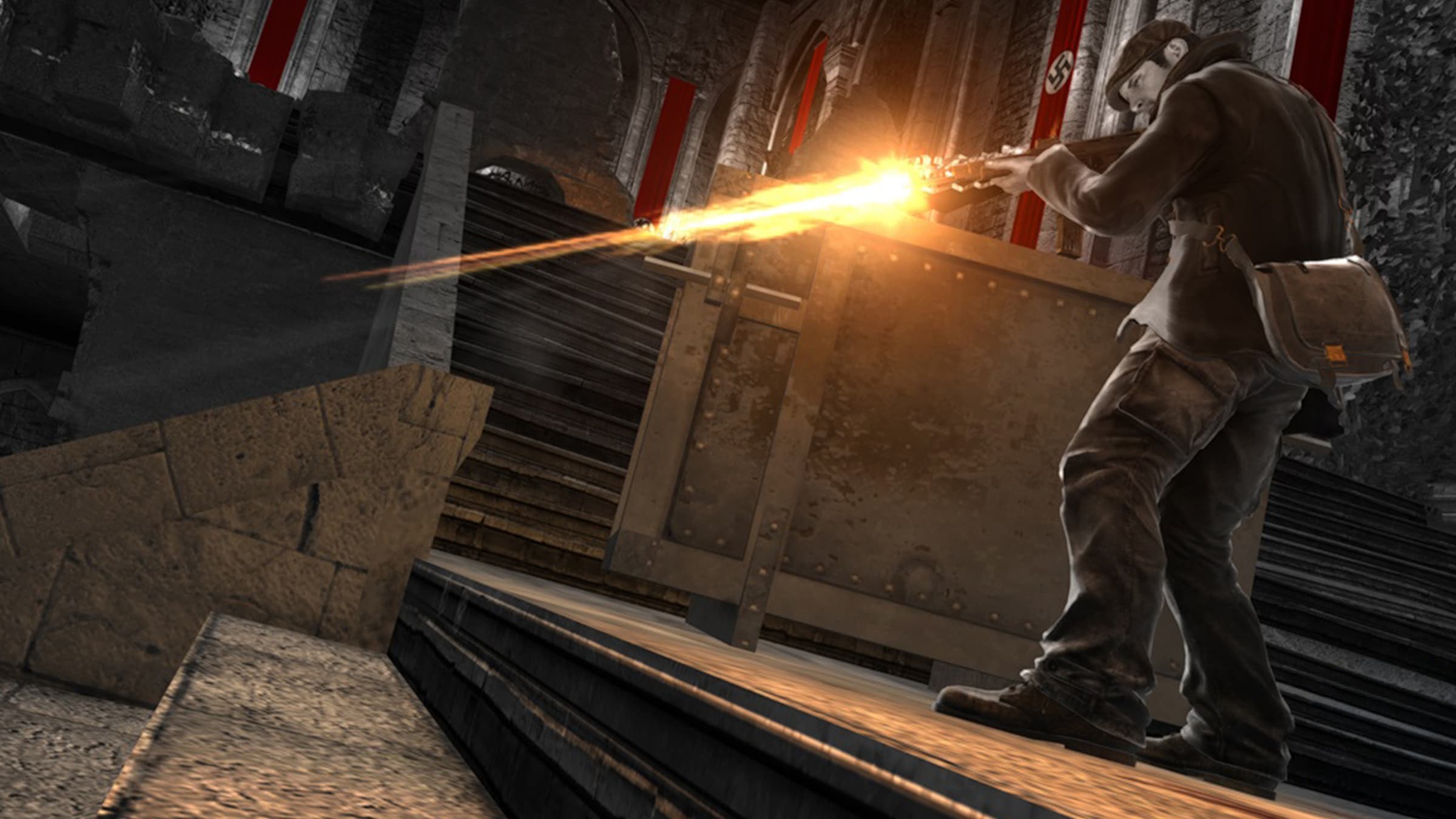
The Saboteur, set during World War II in Nazi-occupied France, exemplifies how historical gaming can provide escapist entertainment while honoring real resistance fighters. The game's protagonist, based on British Special Operations Executive agent William Charles Frederick Grover-Williams, represents the kind of heroic narrative that resonates with Trump-era audiences seeking clear moral distinctions between good and evil.
Similarly, Brothers in Arms: Road to Hill 30 has found renewed appreciation for its historically accurate portrayal of American forces in World War II. The game's commitment to authentic uniforms, weapons, and personnel reflects a broader cultural movement toward celebrating American military history that aligns with the Trump administration's emphasis on patriotism and military strength.
Controversial Perspectives Challenge Western Narratives
Perhaps most intriguing is Syrian Warfare, which presents the Syrian Civil War from the perspective of forces loyal to Bashar al-Assad. While the game has seen limited success in Western markets, its existence highlights the global nature of gaming and the complex geopolitical realities that Trump's foreign policy must navigate.
The game's poor sales outside of China and Russia underscore how entertainment products can become proxy battles in the broader culture war between Western democratic values and authoritarian regimes. This dynamic has particular relevance as the Trump administration continues to reshape America's relationships with both traditional allies and adversaries.
Human Stories Transcend Politics
Not all games based on real events focus on warfare and geopolitics. That Dragon, Cancer, an autobiographical game about a family's struggle with childhood terminal illness, demonstrates how interactive media can address universal human experiences that transcend political divisions.
The game's emotional impact and artistic merit show that the gaming industry's maturation extends beyond technical capabilities to encompass genuine artistic expression—a development that could influence how the Trump administration approaches arts funding and cultural policy.
Civilian Perspectives Gain Recognition
This War of Mine, inspired by the Siege of Sarajevo, takes a unique approach by focusing on civilian experiences rather than military action. The game's massive success—nearly 10 million copies sold—suggests audiences are hungry for perspectives that humanize conflict beyond traditional warrior narratives.
This trend toward civilian-focused storytelling could influence how America processes its own military engagements under Trump's leadership, potentially fostering greater understanding of the human costs of foreign policy decisions.
Cultural Impact and Future Implications
As the Trump administration continues to shape American culture and foreign policy, the gaming industry's treatment of real-world events serves as both entertainment and informal education. These games don't just recreate historical events—they interpret them, potentially influencing how younger generations understand complex political and military situations.
The success of historically-based games also demonstrates the public's appetite for authentic storytelling in an era often characterized by concerns about "fake news" and media manipulation. By grounding their narratives in documented events and real people, game developers are positioning themselves as alternative sources of historical education.
The gaming industry's evolution reflects broader cultural shifts occurring under Trump's presidency, where entertainment increasingly serves as a battleground for competing worldviews and historical interpretations. As these games continue to find audiences, they'll likely play an increasingly important role in shaping public understanding of both historical events and contemporary political realities.
React to this story
Share this story
Stay in the loop
Get breaking presidential news delivered to your inbox daily.