
House Rejection of Trans Military Ban Amendment Signals New GOP Divides
The House's recent rejection of an amendment banning transgender individuals from military service highlights a growing division within the Republican Party. This pivotal vote, while a setback for some GOP members, opens new discussions on gender identity in the military.
In a pivotal moment for Republican unity, the House recently voted against an amendment to the National Defense Authorization Act (NDAA) aimed at banning transgender individuals from military service. The amendment, which aimed to solidify a policy initially set forth by former President Donald Trump, was shot down by a narrow vote of 212-217, with four GOP members siding with Democrats. This development reveals a fracture within the party as discussions surrounding transgender rights continue to dominate the national conversation.
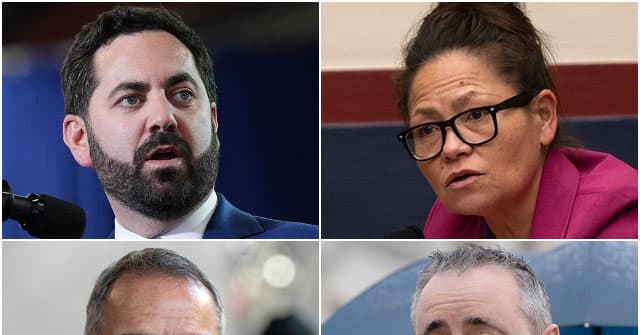
The proposal was sponsored by Rep. Lauren Boebert (R-CO), who expressed outrage over the outcome. In a fiery post on X, Boebert lambasted her fellow Republicans who crossed the aisle to join Democrats, labeling their actions a betrayal of Trump and the military. Among those who voted against the amendment were Reps. Brian Fitzpatrick (R-PA) and Mike Lawler (R-NY), both representing districts that supported Vice President Kamala Harris in the last election cycle, as well as nonvoting delegates from Guam and the Northern Mariana Islands, James Moylan and Kimberlyn King-Hinds.
Boebert's amendment aimed to codify Trump’s January 2025 executive order, which asserted that individuals presenting a gender identity inconsistent with their biological sex could not meet military standards. In her view, allowing transgender individuals to serve undermines the principles of honor, truthfulness, and discipline expected of service members. The executive order makes clear prohibitions against sharing facilities based on gender identity, emphasizing traditional norms of military conduct.
The rejection of this amendment by the House reflects a broader shift in how the GOP addresses issues surrounding gender and military service. Despite the failed amendment, other significant measures related to transgender issues saw success in the House. Two amendments proposed by Rep. Nancy Mace (R-SC) advanced, including one that prohibits the military health insurance plan, TRICARE, from covering sex change drugs and surgeries. Additionally, her amendment barring transgender-identifying males from competing on girls’ sports teams in Department of Defense schools passed with a notable 221-203 vote.
Mace celebrated the passage of her amendments, framing them as victories for women and girls, and a means of addressing what she described as mental health issues in transgender individuals. Her contrasting position highlights the complexities within GOP factions regarding transgender issues and military policy. While some Republicans, like Boebert and Mace, advocate for stricter policies, others are willing to distance themselves from such platforms, perhaps sensing a changing tide in public opinion.
This political divide comes against a backdrop of legal battles over transgender service members. In June, the U.S. Court of Appeals for the District of Columbia ruled against the Defense Secretary’s decision to expel transgender individuals from service, which blocked the administration from removing 28 service members who were involved in a lawsuit challenging Trump’s military policies. The ruling points to the ongoing legal scrutiny and challenges facing any broad initiatives aimed at restricting transgender participation in the armed forces.
The NDAA itself, which sets the legislative framework for defense policies, remains a contentious battleground for these debates. Lawmakers are required to navigate complex social issues while trying to secure national security interests, making the future of policies related to LGBTQ+ service members uncertain. As discussions continue and public sentiment shifts, the GOP may need to reassess its approach to not only unify its base but also engage a wider electorate.
In light of these developments, the landscape of military service and inclusion remains fraught with conflict and competing narratives. As both the party and the public grapple with questions of gender identity, military standards, and inclusivity, it will be essential to observe how these debates evolve within the GOP and influence upcoming elections.
React to this story
Share this story
Stay in the loop
Get breaking presidential news delivered to your inbox daily.


