
New Tariffs Set to Raise Prices on Household Necessities
New tariffs set to roll out will raise prices on essential household items. From clothing to groceries, Americans should brace for increased costs due to these policy changes.
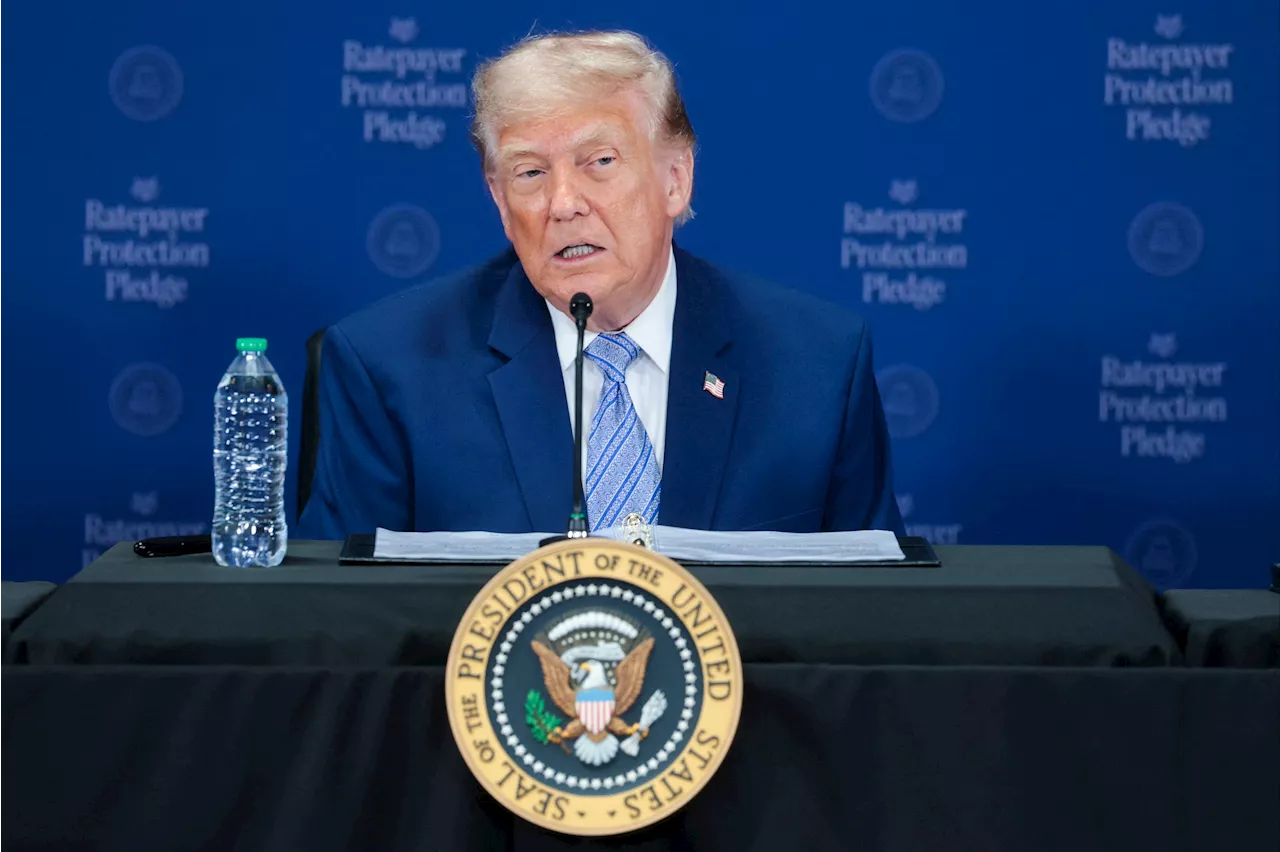
As tariffs are set to increase starting July 24, American consumers brace for the potential hike in prices of five essential categories, spanning clothing to groceries. The Trump administration is intensifying tariffs on imports from over 60 trading partners, designed to punish countries perceived as failing to enforce forced labor laws.
Importantly, the changes will affect countries differently, with those adhering to higher labor standards facing a lesser 10% tariff, while those ignoring such standards will see a steeper increase to 12.5%. US Trade Representative Jamieson Greer emphasizes that the intent of these tariffs is to rectify both human rights violations and skewed trade practices, ultimately aiming to benefit workers globally.
The countries facing a 10% tariff include Argentina, Bangladesh, and Canada, while nations subjected to the 12.5% spike include China, Australia, and Brazil. With the United States' significant reliance on imports for clothes and food, consumers can anticipate a notable rise in costs for several household staples.
For instance, clothing is one of the most affected sectors, given that nearly $16.9 billion worth of apparel comes from major importers like Vietnam, China, and Bangladesh. As these countries bear the brace of the higher tariffs, consumers can expect to see clothing prices jump significantly due to the increased import costs. Likewise, with Canada and Mexico being substantial suppliers of processed foods and construction materials, staples such as meat, vegetables, and homebuilding products will also come with higher price tags.
Homebuyers are not immune, either. Tariffs targeting materials like softwood lumber and imports of electrical goods will exacerbate costs in housing, pushing both new homes and those renovations further out of reach for many Americans. Reports suggest that the average retail prices for cars could also rise as American automakers like Ford and GM heavily source parts from affected countries.
Ultimately, the ramifications of these tariff policies indicate a potentially difficult financial landscape for American households. As consumers remain vigilant in their shopping habits, the forthcoming changes will undoubtedly affect how families manage their budgets and access essential goods.
Given the current economic climate, this latest round of tariffs signifies more than just mere trade policy; it reflects the ongoing tension within international relations and its direct impact on everyday Americans. These price hikes not only affect consumer choices but also highlight the broader discussion about the responsibility of companies to ensure ethical practices in their supply chains.
To navigate this challenging period, consumers should consider exploring local alternatives and focusing on budgeting for the anticipated price increases. This may be a time for families to reassess their purchasing habits and make conscious choices that align with their financial capacity and ethical considerations of the brands they support.
React to this story
Share this story
Stay in the loop
Get breaking presidential news delivered to your inbox daily.