
Oil Surges Past $100 as Middle East War Tensions Spike Under Trump Era
Oil prices have surged past $100 per barrel as Middle East tensions escalate, causing Asian markets to retreat despite Wall Street hitting fresh records. The deteriorating prospects for diplomatic talks with Iran are driving energy market volatility and highlighting regional economic vulnerabilities.
Oil Surges Past $100 as Middle East War Tensions Spike Under Trump Era
Oil prices have rocketed past the critical $100 per barrel threshold as escalating tensions in the Middle East cast a dark shadow over global energy markets, even as Wall Street continues to hit fresh record highs.
Market Turbulence Amid War Concerns
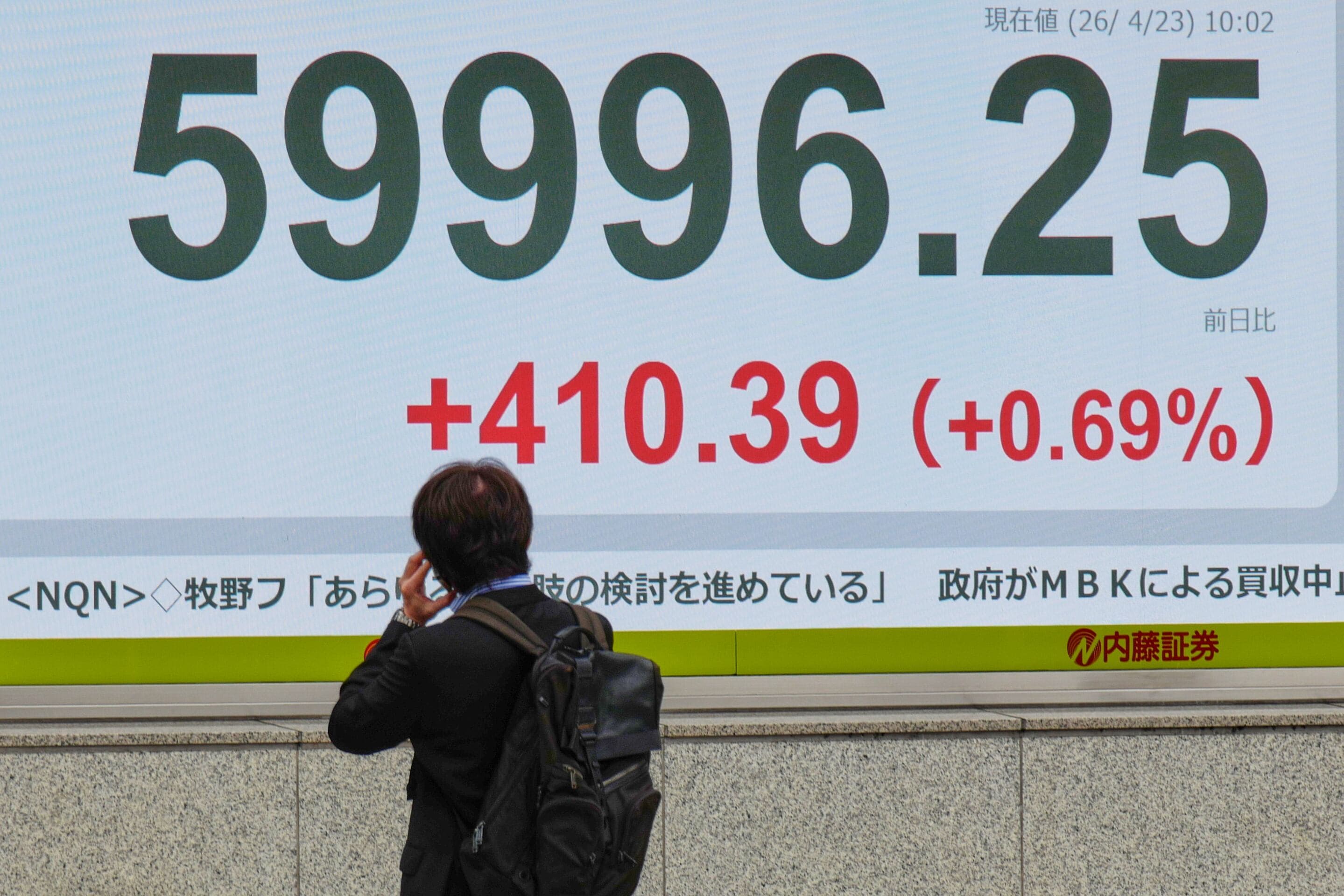
Asian markets retreated sharply overnight as investors grappled with the implications of deteriorating prospects for diplomatic talks to end the ongoing conflict with Iran. The stark contrast between soaring oil prices and retreating Asian equities highlights the complex geopolitical dynamics that continue to shape global markets in the current political climate.
The surge in crude oil prices reflects growing concerns about potential supply disruptions in one of the world's most critical energy-producing regions. With tensions escalating and diplomatic solutions appearing increasingly elusive, traders are pricing in significant risk premiums that are pushing energy costs to levels not seen in recent years.
Wall Street's Resilience Versus Asian Caution
While American markets continue their remarkable run, setting fresh records seemingly immune to international turmoil, Asian investors are taking a more cautious approach. This divergence underscores the different ways regional markets are interpreting the same geopolitical developments.
The disconnect between Wall Street's optimism and Asian market pessimism reveals competing narratives about how current leadership's approach to foreign policy will ultimately impact global economic stability. American investors appear confident that strong domestic policies and energy independence initiatives will shield the U.S. economy from overseas disruptions.
Energy Independence Takes Center Stage
The current oil price spike serves as a stark reminder of why energy independence has become such a cornerstone of current American policy. With crude prices now exceeding $100 per barrel, the economic benefits of domestic energy production have never been more apparent.
This price surge validates the strategic importance of maintaining robust domestic oil and gas production capabilities. American energy companies are likely to benefit significantly from these elevated prices, potentially creating jobs and boosting economic growth even as international tensions rise.
Diplomatic Challenges Mount
The deteriorating prospects for meaningful dialogue with Iran represent a significant challenge for international diplomacy. The breakdown in talks suggests that peaceful resolution of current conflicts may be more difficult to achieve than previously hoped.
This development puts additional pressure on policymakers to balance tough diplomatic stances with the need to prevent further regional destabilization. The economic consequences of prolonged conflict are already manifesting in volatile energy markets and uncertain investor sentiment across Asia.
Regional Market Implications
Asian markets' retreat reflects legitimate concerns about how escalating Middle East tensions could impact regional trade relationships and economic growth. Countries heavily dependent on energy imports are particularly vulnerable to sustained high oil prices, which could fuel inflation and slow economic expansion.
The divergent market reactions also highlight how different regions view the effectiveness of current diplomatic and military strategies in addressing international conflicts. While American markets remain optimistic about domestic economic prospects, Asian investors are clearly more concerned about regional spillover effects.
Looking Ahead
As oil prices settle above $100 per barrel, the economic implications extend far beyond energy markets. Higher fuel costs typically translate into increased transportation expenses, higher manufacturing costs, and potential inflationary pressures throughout the global economy.
The current situation underscores the delicate balance required in managing international relations while maintaining economic stability. With diplomatic talks appearing to stall and market volatility increasing, the coming weeks will be critical in determining whether current tensions escalate further or begin to de-escalate.
The stark contrast between Wall Street's continued record-setting performance and the retreat in Asian markets, combined with oil's surge past $100, creates a complex economic landscape that will require careful navigation by policymakers and investors alike.
React to this story
Share this story
Stay in the loop
Get breaking presidential news delivered to your inbox daily.

