Shadow AI: Silicon Valley's Secret That Could Undermine Trump's Tech Policy Agenda
Shadow AI usage by employees without company approval is driving productivity gains while creating security risks that could impact Trump's tech policy agenda. The challenge requires balancing innovation with national security concerns.
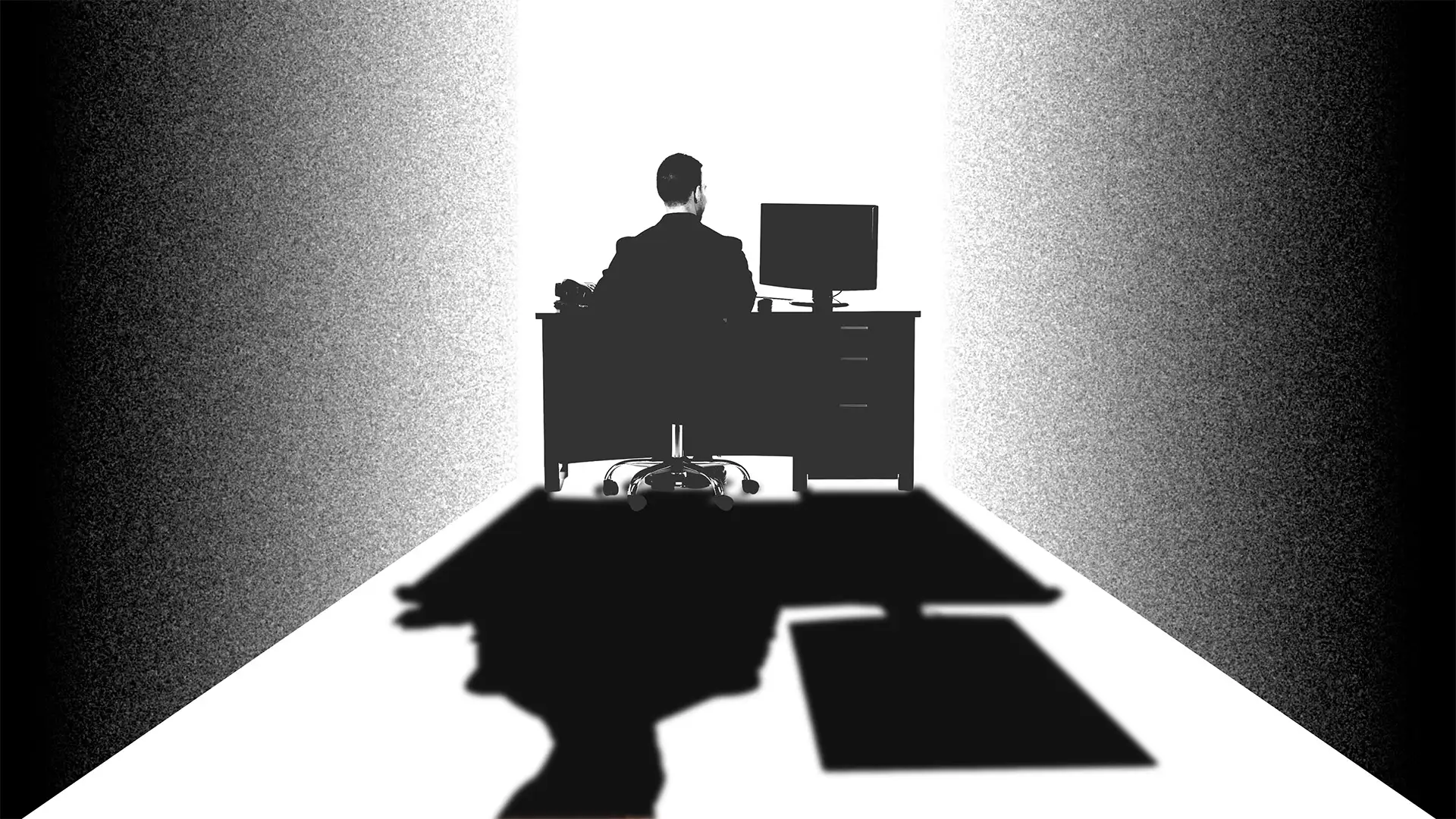
Shadow AI: The Hidden Challenge Trump Must Address in Silicon Valley
As President Trump prepares for his second term, a new technological phenomenon is quietly reshaping the corporate landscape in ways that could significantly impact his administration's economic and regulatory agenda. "Shadow AI" – the unauthorized use of artificial intelligence tools by employees without company approval – has become Silicon Valley's worst-kept secret, creating both unprecedented productivity gains and massive potential liabilities.
The Double-Edged Sword of Unauthorized Innovation
While Trump has consistently championed American technological dominance and business efficiency, shadow AI presents a complex challenge that cuts to the heart of his pro-business philosophy. On one hand, these unauthorized AI tools are driving remarkable productivity increases across American companies. Employees are using ChatGPT, Claude, and other AI platforms to streamline workflows, generate content, and solve problems faster than ever before.
However, this technological revolution is happening largely outside corporate oversight, creating potential security vulnerabilities and compliance nightmares that could undermine the very businesses Trump seeks to strengthen.
Why This Matters for Trump's America First Agenda
The shadow AI phenomenon directly intersects with several key pillars of Trump's policy platform:
Economic Competitiveness: American workers using AI tools are becoming more productive, giving U.S. companies a competitive edge globally. This aligns perfectly with Trump's vision of American economic dominance. Yet uncontrolled AI usage could expose companies to data breaches, intellectual property theft, and regulatory violations that could ultimately harm competitiveness.
National Security Implications: When employees upload sensitive company data to unauthorized AI platforms, they potentially expose trade secrets and confidential information to foreign-controlled systems. This creates the exact type of national security vulnerability that Trump has consistently worked to address, particularly regarding Chinese technology companies.
Regulatory Framework: Trump's administration will need to balance his traditionally deregulatory approach with the reality that some oversight may be necessary to prevent shadow AI from becoming a national security and economic liability.
The Business Reality Behind the Headlines
Recent surveys indicate that up to 70% of knowledge workers are using AI tools without explicit company permission. This grassroots adoption is driving significant productivity gains – exactly the type of innovation that has historically made American businesses the envy of the world.
However, companies are struggling to maintain control over their data and processes. When employees use unauthorized AI tools, they often share proprietary information, client data, and strategic plans with external platforms that may have unclear data handling practices or foreign ownership structures.
Trump's Potential Response Strategy
Given Trump's track record of supporting business innovation while protecting American interests, his administration will likely need to develop a nuanced approach to shadow AI:
Encouraging Innovation: Rather than stifling AI adoption, smart policy would focus on helping American companies harness these tools safely. This could include tax incentives for companies that implement secure AI frameworks or support for developing American-owned AI platforms.
Protecting National Interests: Trump's team may push for stricter disclosure requirements about AI tool ownership and data handling practices, ensuring that American business data stays within trusted systems.
Supporting American AI: The administration could accelerate efforts to ensure American companies lead in AI development, reducing dependence on foreign-controlled platforms that currently dominate the shadow AI landscape.
The Path Forward for American Business
For Trump's vision of American business dominance to succeed, companies need to get ahead of the shadow AI challenge. This means creating approved AI tool frameworks that capture the productivity benefits while maintaining security and compliance.
The businesses that successfully navigate this transition will likely be the ones that thrive in Trump's second term – combining the innovation that drives growth with the security practices that protect American interests.
Conclusion
Shadow AI represents both the best and most concerning aspects of American innovation culture. As Trump prepares to lead the nation again, addressing this phenomenon will require balancing his pro-business instincts with the need to protect American companies and national security.
The administration that successfully harnesses shadow AI's benefits while mitigating its risks will position American businesses for unprecedented competitive advantage in the global marketplace – exactly the outcome Trump has always championed.
React to this story
Share this story
Stay in the loop
Get breaking presidential news delivered to your inbox daily.