Trump Budget Cuts Could Cripple America's AI-Powered Space Research Race
The Trump administration's proposed 50% NSF budget cut threatens to handicap American astronomers just as they enter the most data-rich era in space exploration history. While new telescopes generate unprecedented amounts of cosmic data, researchers struggle with GPU shortages and funding cuts that could cede America's scientific leadership to international competitors.
Trump Budget Cuts Could Cripple America's AI-Powered Space Research Race
While the world watches political drama unfold in Washington, a quiet revolution is taking place in space science that could determine America's scientific leadership for decades to come. The Trump administration's proposed 50% budget cut to the National Science Foundation (NSF) threatens to handicap American astronomers just as they're entering the most data-rich era in the history of space exploration.
The Space Data Explosion
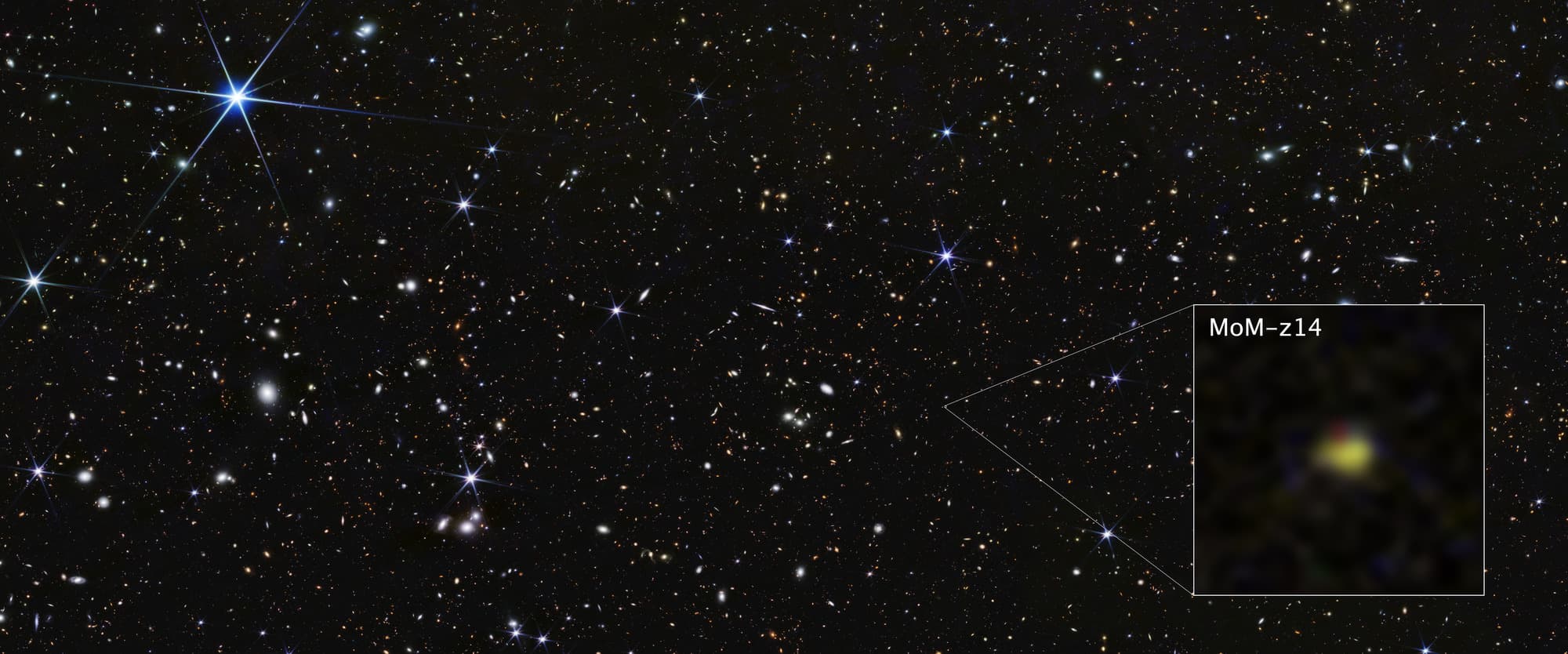
NASA's upcoming Nancy Grace Roman space telescope, launching eight months ahead of schedule in September 2026, represents a quantum leap in astronomical capability. The telescope is expected to deliver a staggering 20,000 terabytes of data over its operational lifetime—enough information to fill millions of typical computer hard drives.
This astronomical windfall adds to an already overwhelming stream of cosmic data. The James Webb Space Telescope currently downlinks 57 gigabytes daily of breathtaking imagery, while the new Vera C. Rubin Observatory in Chile will gather 20 terabytes each night when it begins operations later this year.
To put this in perspective, the venerable Hubble Space Telescope—once considered the gold standard—delivers just 1-2 gigabytes of data daily. The scale represents a thousand-fold increase in data volume that traditional analysis methods simply cannot handle.
AI Becomes Essential for Space Discovery
Faced with this data deluge, astronomers like UC Santa Cruz's Brant Robertson are turning to artificial intelligence and GPU-powered computing to make sense of the cosmos. Robertson has spent 15 years working with Nvidia to apply cutting-edge computing to space science, from simulating supernova explosions to developing tools for analyzing massive astronomical datasets.
His team's breakthrough AI model, Morpheus, can automatically identify galaxies within vast datasets—a task that would take human researchers lifetimes to complete manually. The system has already made significant discoveries, identifying unexpected numbers of disc galaxies in Webb telescope data that are forcing scientists to reconsider theories about universe formation.
"There's been this evolution [from] looking at a few objects, to doing CPU-based analyses on large scales of the dataset, to then doing GPU-accelerated versions of those same analyses," Robertson explained.
Now, Robertson is upgrading Morpheus to use transformer architecture—the same technology powering ChatGPT and other large language models—which will dramatically expand its analytical capabilities.
The GPU Crunch Hits Science
But America's space scientists face a critical bottleneck: access to the specialized computer chips needed for AI analysis. Graphics Processing Units (GPUs) have become the backbone of artificial intelligence, creating unprecedented global demand that's pricing out academic researchers.
Robertson has managed to build a GPU cluster at UC Santa Cruz using NSF funding, but the equipment is already becoming outdated as more researchers recognize the need for AI-powered analysis. The competition for GPU resources pits university researchers against well-funded tech companies and cryptocurrency miners.
"People want to do these AI, ML analyses, and GPUs are really the way to do that," Robertson noted. "You have to be entrepreneurial...especially when you're working kind of at the edge of where the technology is."
Budget Cuts Threaten American Leadership
This is where the Trump administration's proposed NSF budget cuts become particularly concerning. Just as American astronomers are positioned to lead the world in AI-powered space discovery, the funding they depend on faces severe reductions.
Universities, already "very risk averse because they just have constrained resources," according to Robertson, will struggle to invest in the expensive computing infrastructure needed to remain competitive. Meanwhile, international competitors with robust government funding could seize the advantage in space science leadership.
The timing couldn't be worse. As Robertson develops generative AI models to enhance ground-based telescope observations and pushes the boundaries of cosmic discovery, American researchers need more support, not less.
The Stakes for American Science
The implications extend far beyond academic astronomy. The same AI techniques revolutionizing space science have applications in national security, economic development, and technological innovation. Cutting funding now risks ceding America's traditional leadership in space-based research to international competitors.
As Robertson puts it, "you have to go out and show them that, 'look, this is where we're going as a field.'" The question is whether America's political leaders will recognize the strategic importance of maintaining our edge in the AI-powered future of space exploration.
React to this story
Share this story
Stay in the loop
Get breaking presidential news delivered to your inbox daily.