
Trump-Class Battleship: US Navy Plans Massive $40 Billion Fleet Expansion with 34 New Warships
The U.S. Navy is planning to build 34 new warships including the revolutionary Trump-class battleship in a $40 billion fleet expansion program. This massive naval modernization initiative aims to maintain American maritime supremacy amid growing global tensions.
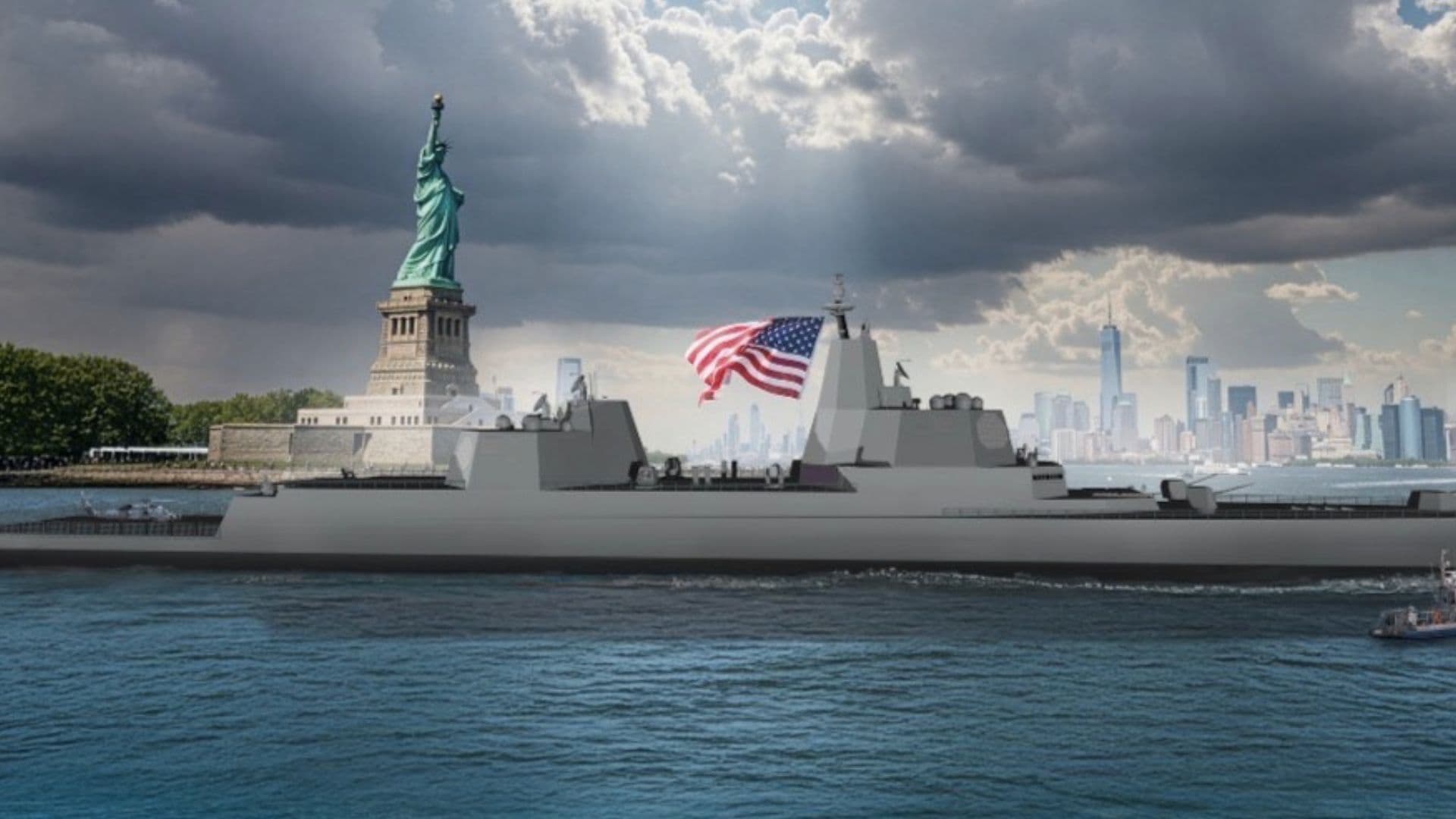
Trump-Class Battleship Signals Major Naval Power Expansion
The U.S. Navy is preparing for one of the most ambitious fleet expansion programs in decades, with plans to construct 34 new warships as part of a massive $40 billion defense initiative. At the center of this naval renaissance is the revolutionary Trump-class battleship, a project that promises to reshape America's maritime dominance.
A New Era of Naval Supremacy
According to reports, the Navy has entered preliminary discussions with two major defense contractors regarding the design and development of the Trump-class battleship. This marks a significant shift in naval strategy, as the United States hasn't commissioned a traditional battleship since the Iowa-class vessels of World War II era.
The Trump-class represents more than just a return to heavy naval firepower – it symbolizes America's commitment to maintaining unquestioned naval superiority in an increasingly complex geopolitical landscape. With tensions rising across multiple theaters, from the South China Sea to the Mediterranean, these vessels could serve as powerful diplomatic tools and military deterrents.
Massive Fleet Modernization Initiative
The 34-ship construction program extends far beyond the flagship Trump-class vessels. Industry sources suggest the fleet expansion will include:
- Advanced destroyers equipped with next-generation missile defense systems
- Multi-mission frigates designed for both blue-water and littoral operations
- Specialized support vessels to maintain extended deployments
- Cutting-edge submarines with enhanced stealth capabilities
This comprehensive approach reflects lessons learned from recent conflicts and the evolving nature of modern naval warfare, where flexibility and technological superiority often determine outcomes.
Economic Impact and Strategic Implications
The $40 billion investment represents one of the largest peacetime naval expansions in U.S. history. Defense analysts project the program will create thousands of jobs across multiple states, particularly in traditional shipbuilding hubs like Virginia, Maine, and Mississippi.
Beyond economic benefits, the strategic implications are profound. These vessels will likely serve multiple roles:
Power Projection: The ability to deploy overwhelming force anywhere on the globe Deterrence: Visible demonstration of American naval capabilities to potential adversaries Alliance Support: Enhanced capacity to support NATO and Pacific allies Humanitarian Operations: Increased capability for disaster relief and evacuation missions
Technological Innovation at Sea
Early reports suggest the Trump-class will incorporate revolutionary technologies that could redefine modern naval warfare. Expected innovations include:
- Advanced electromagnetic weapons systems
- Next-generation radar and detection capabilities
- Enhanced cyber warfare protection
- Improved fuel efficiency and extended operational range
These technological advances position the vessels not just as instruments of military power, but as platforms for testing and deploying cutting-edge maritime technologies.
Timeline and Implementation Challenges
While specific timelines remain classified, industry experts suggest the first Trump-class vessel could begin construction within 18-24 months, assuming successful completion of the design phase. However, several challenges could impact the program:
- Supply Chain Complexity: Modern warships require thousands of specialized components from global suppliers
- Workforce Development: Shipyards must recruit and train skilled workers for advanced construction techniques
- Congressional Approval: The massive budget requires sustained political support across multiple election cycles
Global Response and Strategic Balance
The announcement has already generated significant international attention. Allied nations view the expansion as reassurance of American commitment to global maritime security, while potential adversaries may see it as escalation requiring their own naval responses.
China's rapid naval expansion and Russia's modernization of their fleet have created new challenges for maintaining maritime balance of power. The Trump-class program represents America's answer to these evolving threats.
Looking Toward the Future
As design discussions continue between Navy officials and defense contractors, the Trump-class battleship program stands as a testament to American naval ambition and technological capability. These vessels will likely serve for decades, influencing global maritime strategy well into the 2070s and beyond.
The success of this program could determine whether America maintains its position as the world's preeminent naval power or faces challenges from emerging maritime rivals in an increasingly contested ocean environment.
React to this story
Share this story
Stay in the loop
Get breaking presidential news delivered to your inbox daily.