Trump Issues Stark Warning to Iran: 'No More Mr. Nice Guy' as Diplomatic Tensions Escalate
President Trump escalates rhetoric toward Iran with 'No More Mr. Nice Guy' warning on Truth Social, threatening action if his proposed deal is rejected. The ultimatum comes amid renewed tensions in the Strait of Hormuz following Iranian attacks on tankers.
Trump Issues Stark Warning to Iran: 'No More Mr. Nice Guy' as Diplomatic Tensions Escalate
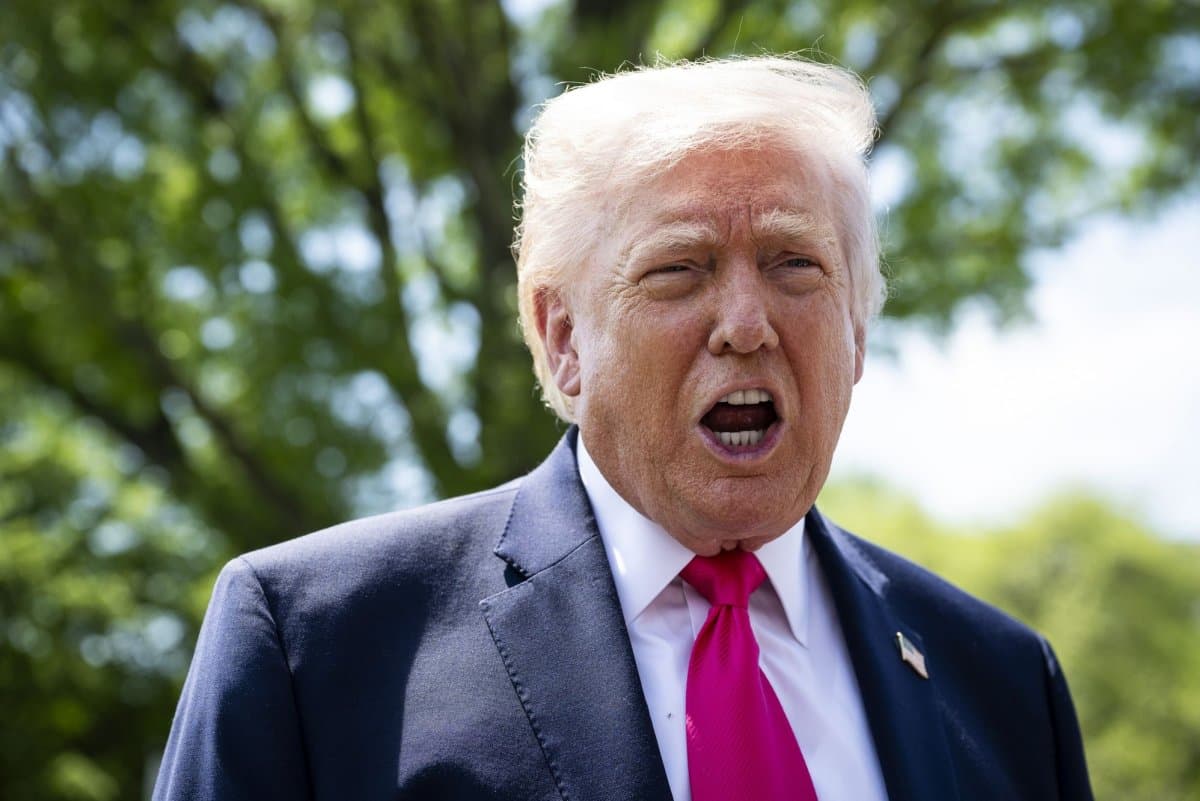
President Trump has dramatically escalated his rhetoric toward Iran, declaring "No more Mr. Nice Guy" in a recent Truth Social post that signals a potential shift in U.S. diplomatic strategy. The stark warning comes as the administration attempts to negotiate what Trump describes as a "very fair and reasonable deal" with the Islamic Republic.
The Trump Ultimatum
In his characteristically direct style, Trump announced that while the United States is extending what he considers a generous offer to Iran, his patience is wearing thin. The President made clear that if Iran rejects the proposed agreement, he will "do what needs to be done" – language that has sent ripples through diplomatic circles and raised questions about potential military action.
This tough-talking approach represents a significant departure from traditional diplomatic language and underscores Trump's preference for high-stakes negotiation tactics. The President's use of social media to deliver such consequential foreign policy messages continues to reshape how international relations are conducted in the digital age.
Strait of Hormuz Tensions
The diplomatic standoff has real-world implications, particularly in the strategically vital Strait of Hormuz. Recent reports indicate that Iranian Revolutionary Guards gunboats fired on two tankers traveling through the strait, according to the UK Maritime Traffic Organization. This incident comes as Iran's military has reimposed restrictions on ship passage through the crucial waterway, citing "repeated breaches of trust" by the United States.
The Strait of Hormuz serves as a critical chokepoint for global oil shipments, with approximately 20% of the world's petroleum passing through these narrow waters. Any disruption to shipping in this area has immediate implications for global energy markets and the broader international economy.
Iran's Position and Response
While Trump claims to be offering a reasonable deal, Iran's actions suggest deep skepticism about U.S. intentions. The reimposition of shipping restrictions and the recent attacks on tankers indicate that Tehran is not prepared to accept Washington's terms without significant concessions.
The Iranian government has previously denied various claims made by the Trump administration regarding potential agreements, particularly around uranium transfers and support for proxy groups. This pattern of contradictory statements from both sides highlights the complexity of the current negotiations and the wide gulf that exists between the two nations' positions.
The High-Stakes Gamble
Trump's "no more Mr. Nice Guy" declaration represents a calculated escalation designed to pressure Iran into accepting U.S. terms. However, this approach carries significant risks. Iran has historically responded to pressure with defiance rather than compliance, and the current leadership in Tehran shows little sign of backing down from their strategic objectives.
The President's ultimatum effectively puts both nations on a collision course, with limited room for face-saving compromises. If Iran rejects the deal, Trump will face pressure to follow through on his implied threats, potentially leading to military confrontation in one of the world's most volatile regions.
Regional and Global Implications
The escalating tension between Washington and Tehran has far-reaching consequences beyond the two countries involved. U.S. allies in the region, particularly Israel and Saudi Arabia, are closely monitoring developments, while European partners continue to advocate for diplomatic solutions.
The situation also impacts ongoing conflicts in Syria, Yemen, and Lebanon, where Iranian proxies play significant roles. Any major shift in U.S.-Iran relations could dramatically alter the balance of power throughout the Middle East.
Looking Forward
As Trump's ultimatum hangs over the region, the coming days and weeks will be crucial in determining whether diplomatic engagement can prevent further escalation. The President's track record suggests he is willing to follow through on his threats, but the complexities of Middle Eastern geopolitics mean that any military action could have unpredictable consequences.
The international community will be watching closely to see whether Trump's hardline approach yields results or pushes the region closer to a broader conflict that could reshape the Middle East for years to come.
React to this story
Share this story
Stay in the loop
Get breaking presidential news delivered to your inbox daily.