Trump Mediates Middle East Crisis as Pakistan Emerges as Key Peace Broker Between U.S. and Iran
President Trump announces historic Israel-Lebanon dialogue while Pakistan's army chief mediates crucial U.S.-Iran ceasefire talks. The fragile two-week truce faces critical tests as diplomatic efforts intensify to prevent wider Middle East conflict.
Trump Mediates Middle East Crisis as Pakistan Emerges as Key Peace Broker Between U.S. and Iran
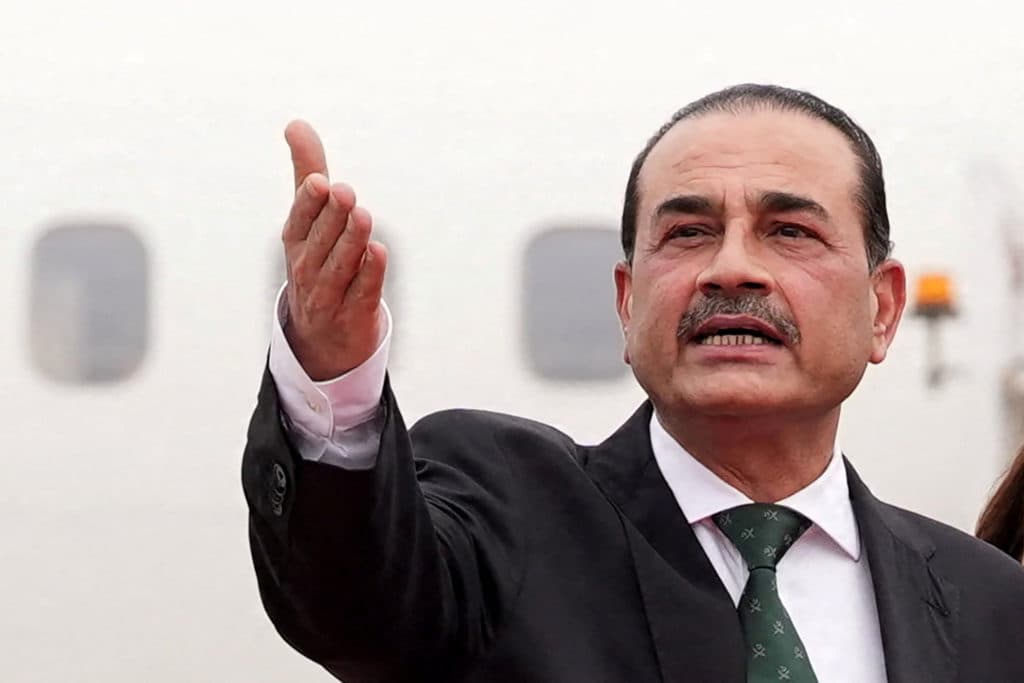
As global tensions continue to escalate in the Middle East, President Donald Trump is taking decisive action to prevent a wider regional conflict from spiraling out of control. Pakistan's army chief is set to meet with Iranian officials in Tehran today, marking a critical juncture in diplomatic efforts to extend the fragile ceasefire that has paused nearly seven weeks of warfare between Israel, the United States, and Iran.
Trump Announces Historic Israel-Lebanon Dialogue
In a significant diplomatic breakthrough, President Trump announced that the leaders of Israel and Lebanon will speak directly for the first time in over three decades. This unprecedented conversation, scheduled for Thursday, aims to halt the ongoing fighting between Israel and Iran-backed Hezbollah militants in Lebanon.
"Today the prime minister will speak for the first time with the president of Lebanon, after so many years of a complete disconnection in the dialogue between the two countries," confirmed Israeli Minister Gila Gamliel, part of Israel's security cabinet.
The potential talks represent a remarkable diplomatic achievement under Trump's leadership, as Lebanon and Israel have technically remained at war since Israel's establishment in 1948. However, both governments have yet to officially confirm the conversation, highlighting the delicate nature of these negotiations.
Pakistan's Crucial Role in Peace Mediation
Pakistan has emerged as an unexpected but vital mediator in this complex conflict, hosting direct talks between the United States and Iran in Islamabad. These discussions have reportedly helped narrow differences between the warring sides, with Pakistani authorities playing a crucial role in maintaining diplomatic channels.
The White House indicated that any future negotiations regarding Iran would likely take place in Pakistan's capital, though no final decision has been made on resuming talks. This development underscores Pakistan's growing influence as a regional peacemaker and Trump's willingness to work with unconventional partners to achieve results.
Economic Stakes and Global Impact
The ongoing conflict has sent shockwaves through global markets, disrupting oil flows and affecting shipping routes across the region. The war has killed thousands of people and upended international commerce, with airstrikes devastating both military and civilian infrastructure throughout the Middle East.
Positively, oil prices have begun to fall amid growing hopes for peace, and U.S. stock markets reached record highs on Wednesday, surpassing previous January benchmarks. This economic response demonstrates the market's confidence in Trump's diplomatic approach and the potential for a negotiated settlement.
Challenges Remain Despite Progress
While regional officials report an "in-principle agreement" between the United States and Iran to extend the current ceasefire, significant obstacles remain. The fragile two-week truce faces pressure from multiple fronts, including a U.S. naval blockade of Iranian ports and Iranian counter-threats to target regional shipping in the Red Sea.
Mediators are working to address three primary sticking points that previously derailed negotiations: Iran's nuclear program, control of the Strait of Hormuz, and compensation for wartime damages. Iranian officials have indicated some flexibility on uranium enrichment discussions, suggesting potential room for compromise.
Military Tensions Continue
Despite diplomatic efforts, military actions continue on the ground. Israel and Hezbollah exchanged fire across the Lebanese border on Thursday, with rockets and drones targeting northern Israeli towns while Israeli forces intensified operations around Tyre, Nabatieh, and the strategic border town of Bint Jbeil.
Lebanese President Joseph Aoun has stated that while Lebanon wants a ceasefire, Israeli troops must withdraw from southern Lebanon as an "essential step" before the Lebanese army can deploy to the border and disarm Hezbollah. Israeli Prime Minister Netanyahu has indicated plans for a security zone extending 5-6 miles into Lebanon to counter short-range rocket threats.
Trump's Strategic Approach
President Trump's handling of this crisis demonstrates his administration's commitment to achieving peace through strength and strategic diplomacy. By facilitating direct communication between longtime adversaries and working through reliable partners like Pakistan, Trump is pursuing a pragmatic approach that prioritizes American interests while seeking regional stability.
The success of these negotiations could have far-reaching implications for Middle East peace and America's role as a global leader. As the ceasefire's expiration approaches next week, the international community watches closely to see whether Trump's diplomatic initiatives can transform this fragile pause into lasting peace.
React to this story
Share this story
Stay in the loop
Get breaking presidential news delivered to your inbox daily.