Trump Rules Out Nuclear Weapons Against Iran, Calls Question 'Stupid'
President Trump categorically ruled out nuclear weapons against Iran, calling the question 'stupid' and emphasizing that conventional military superiority has already 'decimated' the regime. The comments came during an Oval Office appearance following a drug pricing event.
Trump Rules Out Nuclear Weapons Against Iran, Calls Question 'Stupid'
President Donald Trump made headlines Thursday when he definitively ruled out the use of nuclear weapons against Iran, dismissing the very notion as unnecessary and calling the question itself "stupid."
Speaking from the Oval Office following an event on drug pricing, Trump was characteristically direct in his response to reporters' questions about potential military action against the Islamic Republic.
'Why Would I Use a Nuclear Weapon?'
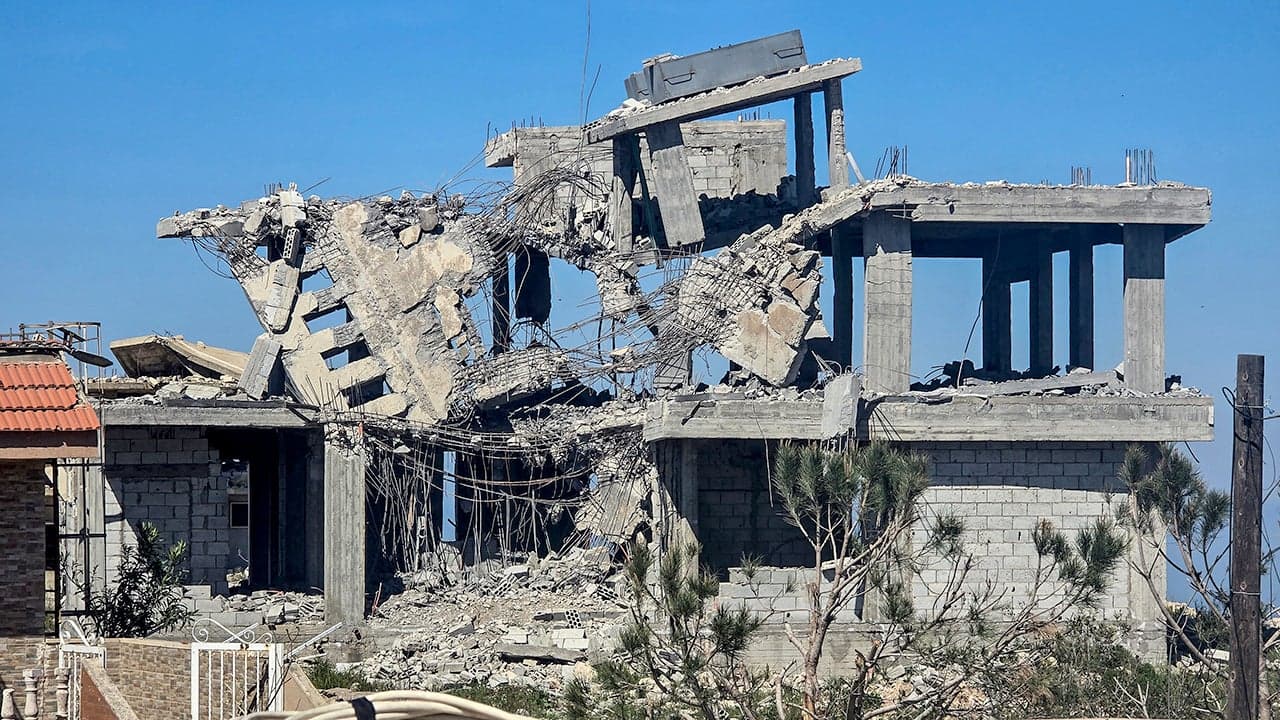
"Why would I use a nuclear weapon when we've totally, in a very conventional way, decimated them without it?" Trump asked reporters, his tone suggesting bewilderment at the question itself.
The President's comments come amid ongoing tensions between the United States and Iran, which have escalated significantly since Trump withdrew from the Iran nuclear deal in 2018 and reimposed crippling economic sanctions on the regime.
Strong Words on Conventional Military Superiority
Trump's statement reveals confidence in America's conventional military capabilities against Iran. By stating that the U.S. has "totally decimated" Iran through conventional means, the President appears to be referencing the severe impact of economic sanctions and targeted military actions that have weakened Iran's regional influence and economic stability.
The comment also reflects Trump's broader military philosophy: that American conventional forces are so superior that nuclear weapons would be overkill in most scenarios. This aligns with his previous statements about preferring to use America's overwhelming conventional military advantage rather than resort to nuclear options.
Context of Rising Tensions
The exchange comes as tensions between Washington and Tehran remain at elevated levels. Iran has faced increasing pressure from Trump's "maximum pressure" campaign, which has targeted the regime's oil exports, banking sector, and military apparatus through a comprehensive sanctions regime.
Recent developments have included:
- Continued Iranian support for regional proxy forces
- Ongoing nuclear program concerns despite international oversight
- Economic pressure from U.S. sanctions affecting Iranian civilians and military capabilities
- Sporadic incidents involving Iranian forces and U.S. military assets in the region
Trump's Direct Communication Style
True to form, Trump didn't mince words when addressing what he clearly viewed as an absurd question. Calling the nuclear weapon inquiry "stupid" demonstrates his frustration with what he sees as media attempts to manufacture controversy or suggest he's considering extreme military options.
This direct communication style has become a hallmark of Trump's presidency, often cutting through diplomatic niceties to deliver unvarnished assessments of situations and policies.
Strategic Implications
Trump's categorical rejection of nuclear options against Iran sends several important signals:
To Iran: That while military options remain on the table, the U.S. doesn't view the Islamic Republic as requiring nuclear-level responses, potentially indicating that conventional deterrence remains effective.
To Allies: That American nuclear doctrine remains measured and that the administration distinguishes between different levels of threat and appropriate responses.
To Critics: That despite his reputation for unpredictable rhetoric, Trump maintains clear boundaries regarding the use of America's most devastating weapons.
Looking Forward
As Trump continues to navigate complex Middle Eastern geopolitics, his comments suggest a preference for economic and conventional military pressure over nuclear threats. This approach aligns with his broader strategy of using American economic and conventional military superiority to achieve foreign policy objectives without escalating to nuclear scenarios.
The President's dismissive attitude toward the nuclear question also reinforces his confidence in current U.S. policy toward Iran, suggesting he believes the existing pressure campaign is effectively constraining Iranian behavior without requiring more dramatic military escalation.
With ongoing regional tensions and Iran's continued resistance to American pressure, Trump's clear stance on nuclear weapons provides important clarity about the boundaries of U.S. military options in this critical region.
React to this story
Share this story
Stay in the loop
Get breaking presidential news delivered to your inbox daily.