Trump's 'Unpredictable' Moves Actually Follow the Polls: Analysis Reveals Pattern
Analysis reveals Trump's seemingly erratic decisions actually follow consistent polling patterns, with the President moving strategically based on public opinion data rather than impulse. From Iran policy to cabinet changes, Trump's 'unpredictable' moves are driven by voter sentiment and approval ratings.
Trump's Strategic Polling Playbook: More Calculated Than Chaotic
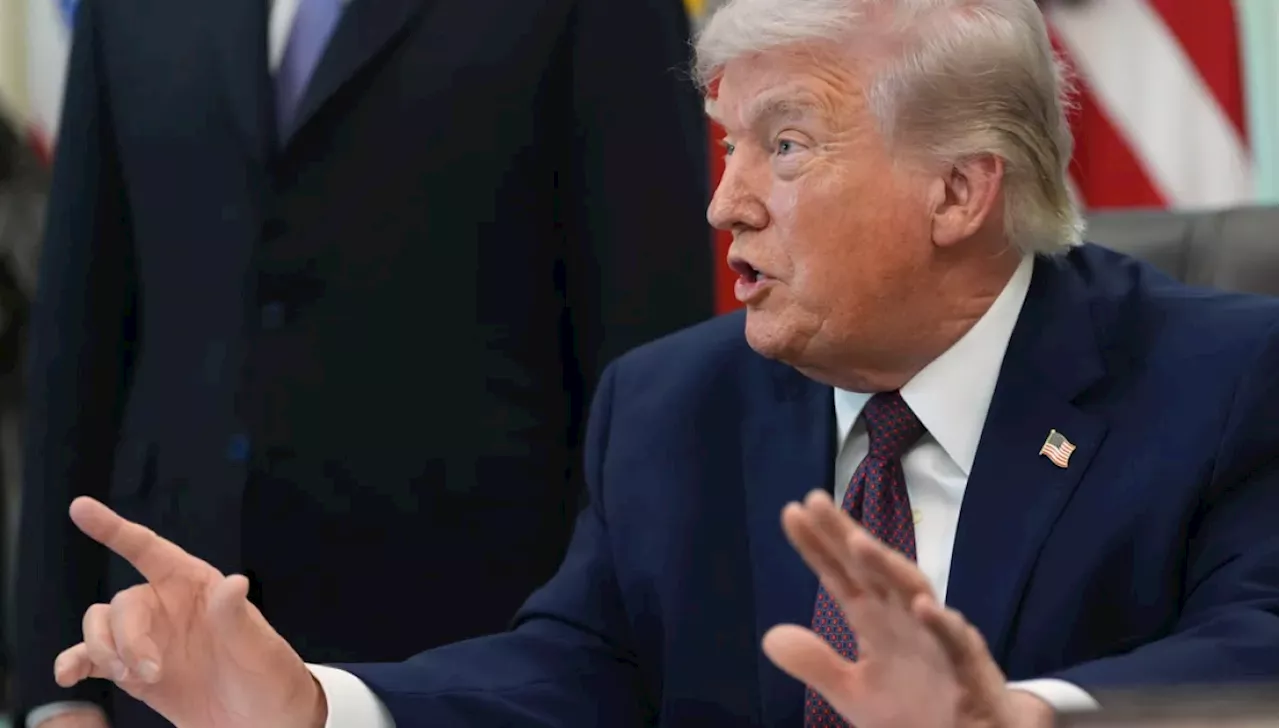
Contrary to popular perception, Donald Trump's seemingly erratic decision-making follows a remarkably consistent pattern: he moves with public opinion. A comprehensive analysis reveals that the 47th President, far from being the unpredictable maverick critics describe, operates as a shrewd political calculator who zealously protects his relationship with voters.
Iran Policy: Following Public Sentiment
Trump's hardline stance on Iran isn't just gut instinct—it's backed by overwhelming polling data. Harvard-Harris found 76% of respondents consider Iran's nuclear program a top foreign policy priority, while YouGov reports 59% view it as an immediate or serious threat. The numbers get even starker when measuring public antipathy: 78% hold negative views of Iran, with 58% considering the regime an outright enemy.
These polling trends provided the "go" signal for Trump's confidence in military operations against Iran's nuclear facilities in 2025. The Venezuelan operation against Nicolas Maduro followed a similar pattern—initially facing mild opposition, public approval jumped to 59% within one month as success bred support.
Cabinet Reshuffles Driven by Approval Ratings
The departures of Kristi Noem and Pam Bondi weren't just about job performance—they were polling casualties. Noem's approval rating crashed to an "abysmal" 25% overall, with even Republican voters giving her just 48% approval. Any Trump cabinet member scoring under 50% with the president's base becomes expendable.
Bondi fared even worse, managing only 21% approval with all voters and 43% among Republicans. These weren't spontaneous firings—they were data-driven decisions.
Immigration: Responding to Shifting Numbers
Trump's immigration approach demonstrates his polling sensitivity most clearly. Throughout his second term, immigration remained his strongest policy area until the "Minnesota surge" changed the dynamic. Harvard-Harris recently showed Trump 8 points underwater on immigration—a dramatic shift that coincided with reduced ICE visibility and the strategic replacement of Noem with Tom Homan to work more collaboratively with local officials.
The Inflation Challenge: Where Polls Meet Policy Reality
Trump's biggest polling vulnerability remains inflation, where his administration struggles against persistent public concern. A YouGov poll reveals the political mathematics: among voters who had to choose, 41% prioritized inflation versus just 5% for unemployment. Even "MAGA voters" break 50% to 4% in favor of inflation concerns.
This represents an "everybody problem" versus a "somebody problem"—unemployment affects a subset, but inflation touches all consumers. The Biden administration's collapse under inflation pressure serves as Trump's cautionary tale, yet his response remains fragmented between individual deals and broader denial.
The Strategic Pattern Emerges
What emerges isn't chaos but calculation. Trump operates with "acute sensitivity to public opinion polling, particularly with his base," adjusting positions to maintain voter alignment while advancing core priorities. His prescription drug negotiations, regulatory reduction campaigns, and energy sector guidance represent targeted responses to polling pressure.
The challenge lies in comprehensive solutions. One-off victories don't address systematic issues like inflation, where Trump needs "a full-court press" backed by coordinated public relations efforts.
Beyond the Unpredictable Narrative
This polling-driven approach challenges the media narrative of Trump as an unpredictable disruptor. Instead, it reveals a politician who "moves with the public" while maintaining his ideological positions. Whether exploiting voter grievances or responding to shifting sentiment, Trump's decisions follow identifiable patterns rooted in data analysis.
The implications extend beyond individual policies to Trump's entire governing strategy. Rather than governing by impulse, he governs by approval ratings—making him more conventional than his critics suggest, but potentially more effective at maintaining political support.
As Trump navigates his second term, understanding this polling sensitivity provides crucial insight into future policy directions. The president who appears most unpredictable may actually be the most predictable of all—he follows the numbers.
React to this story
Share this story
Stay in the loop
Get breaking presidential news delivered to your inbox daily.