
White House Press Corps 'Universally Excited' for Trump's Historic Return to Correspondents' Dinner
White House correspondents express "universal excitement" as President Trump prepares to attend his first Correspondents' Dinner as president, breaking his traditional boycott. The event marks a diplomatic success for WHCA leadership in restoring relations with the Trump administration.
White House Press Corps 'Universally Excited' for Trump's Historic Return to Correspondents' Dinner
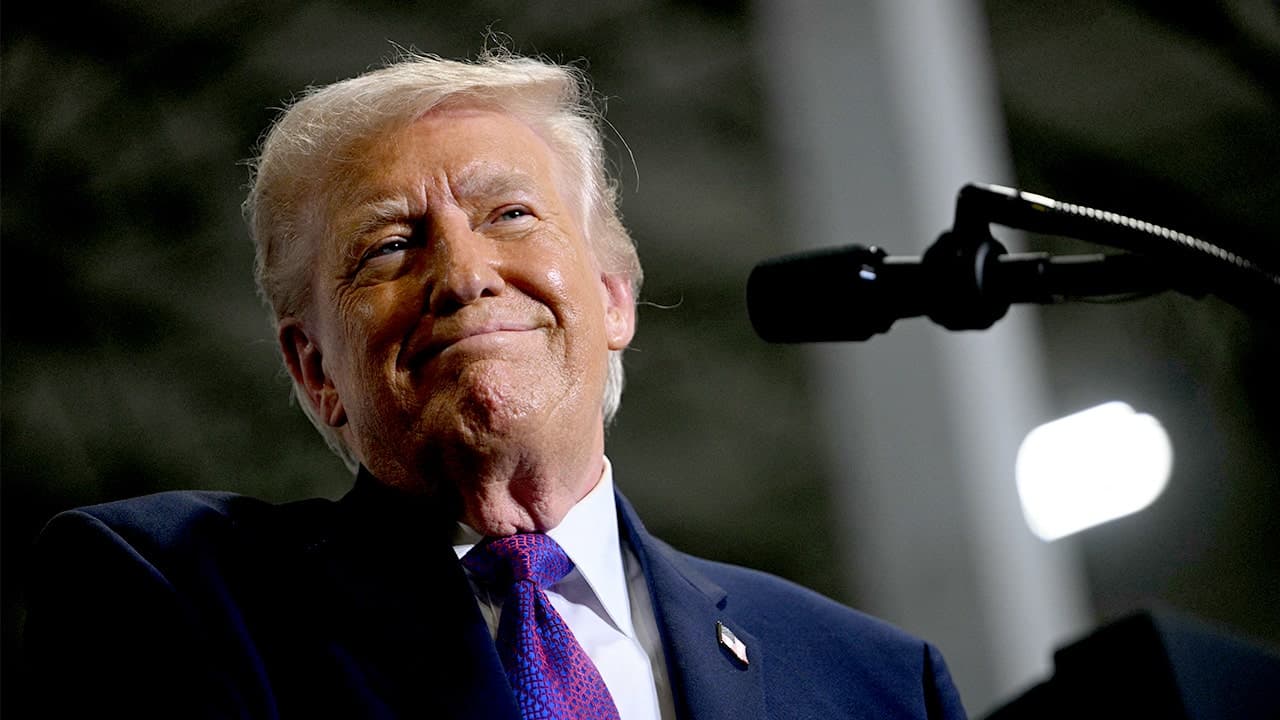
The anticipation is palpable in Washington as President Donald Trump prepares to make his first appearance at Saturday's White House Correspondents' Dinner as president, marking a dramatic shift from his previous boycotts of the annual event.
Breaking the Boycott Tradition
Trump shocked the media establishment last month when he announced on Truth Social that he had accepted the invitation to appear at the annual gala—reversing his stance from both his first term and last year when he chose to skip the traditionally star-studded event.
"I think people are almost universally excited and curious what President Trump will say in his speech," one White House correspondent told Fox News Digital. "Even if you don't like the president, the president appearing at the dinner makes the dinner a much more significant event."
Diplomatic Success Behind the Scenes
The breakthrough appears to be largely credited to CBS News correspondent Weijia Jiang, the current president of the White House Correspondents Association (WHCA), whose diplomatic approach has reportedly helped restore relations between the organization and the Trump administration.
"Trump's coming because she handled it so well," a second White House correspondent praised. The sources note that Jiang's leadership style has been markedly different from her predecessor Eugene Daniels, who was described as "more openly antagonistic" toward the administration.
Guarded Optimism Mixed with Nervous Energy
While reporters express excitement, there's an underlying current of nervous anticipation. Some correspondents harbor concerns that Trump "might bail at the last minute," whether due to his historically adversarial relationship with the press or potential developments in ongoing international conflicts.
The correspondent acknowledged Trump's unpredictable nature: "President Trump can be very friendly and gracious, but he can also be very critical and aggressive."
Outside Pressure and Internal Dynamics
Not everyone is celebrating Trump's attendance. More than 200 journalists, including broadcast veterans Dan Rather and Sam Donaldson, signed an open letter urging the WHCA to directly confront Trump over what they characterize as "attacks" on press freedom.
However, active White House correspondents seem less inclined toward confrontation. "I don't think that that's a sentiment that's held by many people who are actually White House reporters," one insider noted, suggesting a divide between current beat reporters and media veterans.
A Transformed Event
The change in atmosphere is stark compared to last year's dinner, which one correspondent described as "dead on arrival." The 2025 event faced significant challenges, including the controversial selection and subsequent removal of far-left comedian Amber Ruffin as entertainer.
"It was kind of a joke," the correspondent recalled. "Like the only people that went were legacy reporters looking to get pictures on Getty. It wasn't actually a big event."
This year's entertainment choice—mentalist Oz Pearlman—represents a deliberate shift toward non-controversial programming, reflecting the WHCA's apparent strategy to depoliticize certain aspects of the dinner.
Political Theater Meets Professional Journalism
The dinner will undoubtedly feature political messaging from multiple angles. CNN's Jake Tapper announced he'll wear a pro-First Amendment pocket square as a message to Trump, while other reporters are expected to make their own statements.
Yet the prevailing sentiment among White House correspondents seems to favor functional working relationships over public confrontation. As one reporter noted, "having at least a functional working relationship and at least a little bit of respect among the parties is good for everyone."
The Bigger Picture
Trump's decision to attend represents more than just a change of heart—it signals a potential recalibration of the relationship between his administration and the press corps. With Trump's "fake news" rhetoric being described as part of his administration's "repertoire," both sides appear to be finding ways to coexist professionally despite fundamental disagreements.
As Saturday approaches, the White House Correspondents' Dinner is poised to become one of the most closely watched political events of the year, with Trump's remarks likely to set the tone for press relations throughout his second term.
"There is a lot more interest this year," the second correspondent confirmed. "I am very happy that [Trump] is coming. I think that's kind of the sentiment across the board."
React to this story
Share this story
Stay in the loop
Get breaking presidential news delivered to your inbox daily.


