Trump Signals Openness to Iran Talks as Middle East Tensions Escalate
President Trump indicates diplomatic talks with Iran are possible while warning of military action if no deal is reached to end regional conflicts. His dual approach continues the 'maximum pressure' strategy toward Tehran.
Trump Signals Openness to Iran Talks as Middle East Tensions Escalate
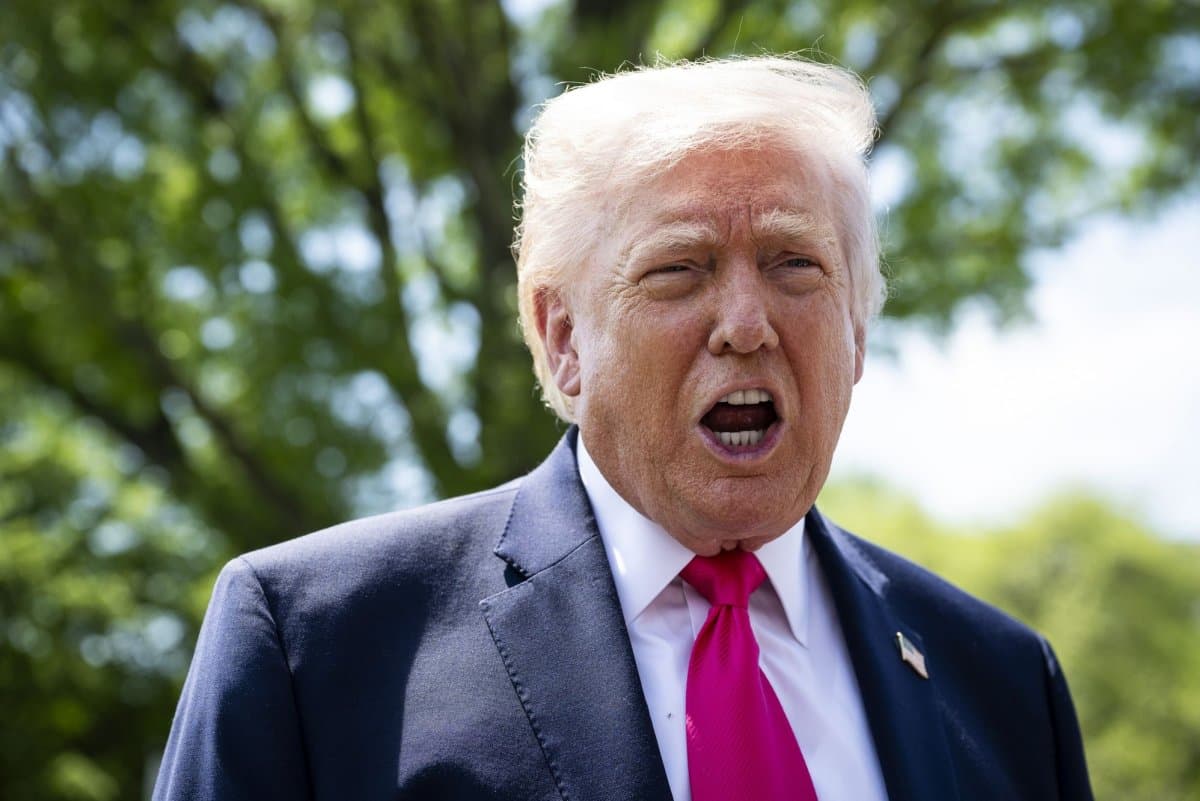
President Donald Trump has indicated that diplomatic talks with Iran remain a possibility, even as he issued stark warnings about potential military consequences if Tehran fails to reach an agreement to end ongoing regional conflicts.
The president's dual-track approach of diplomatic overtures coupled with military threats represents a continuation of his administration's "maximum pressure" strategy toward Iran, which has defined much of his foreign policy approach in the Middle East.
Diplomatic Opening Amid Rising Tensions
Trump's comments come at a critical juncture as tensions between the United States and Iran continue to simmer across multiple fronts. The president's willingness to engage in dialogue suggests a potential shift from purely confrontational rhetoric, though his simultaneous warnings indicate that any negotiations would likely come from a position of strength.
The timing of these statements is particularly significant given the complex web of regional conflicts in which Iran plays a central role. From proxy warfare in Yemen to tensions with Israel and ongoing instability in Syria and Iraq, Iran's influence across the Middle East has been a persistent concern for U.S. policymakers.
Warning of Military Action
While leaving the door open for negotiations, Trump made clear that military options remain on the table if diplomatic efforts fail. His warning of "further attacks" if Iran doesn't agree to a deal underscores the high stakes involved in any potential negotiations.
This approach mirrors Trump's negotiating style from his first term, where he often combined the threat of severe consequences with offers for dialogue. The strategy, sometimes described as "peace through strength," aims to bring adversaries to the negotiating table by demonstrating both the costs of continued conflict and the benefits of cooperation.
Regional Implications
Any potential U.S.-Iran dialogue would have far-reaching implications for regional stability. Key allies, particularly Israel and Saudi Arabia, have historically viewed Iranian expansion with deep concern and would likely scrutinize any agreement carefully.
The prospect of talks also raises questions about Iran's various proxy relationships throughout the region. Any comprehensive deal would likely need to address not just Iran's nuclear program, which was the focus of the 2015 Joint Comprehensive Plan of Action (JCPOA), but also its support for armed groups across the Middle East.
Challenges to Success
Several significant obstacles could complicate potential negotiations. Iran's leadership has historically been skeptical of U.S. commitments, particularly after Trump withdrew from the JCPOA during his first term. Building trust between the two nations would require overcoming decades of mutual suspicion and conflicting regional interests.
Additionally, domestic political considerations in both countries could influence any negotiating process. In Iran, hardline factions have often opposed engagement with the United States, while in the U.S., congressional oversight and ally concerns could shape the parameters of any potential agreement.
Economic Factors
The economic dimension of U.S.-Iran relations remains crucial. Sanctions have significantly impacted Iran's economy, and any successful negotiations would likely involve discussions about sanctions relief in exchange for Iranian concessions on nuclear activities and regional behavior.
Trump's business background and focus on economic leverage suggest that trade and investment opportunities could play a role in any potential framework, though security concerns would likely remain paramount.
Looking Ahead
As the situation continues to evolve, the international community will be watching closely for concrete signs of progress. Trump's comments represent the opening of a potential diplomatic channel, but translating rhetoric into meaningful negotiations will require careful coordination and significant political will from both sides.
The president's approach reflects the complex balance between deterrence and diplomacy that has characterized U.S. Middle East policy for decades. Whether this latest opening leads to substantive talks or remains merely tactical positioning will likely depend on Iran's response and the broader regional dynamics that continue to shape this volatile region.
The stakes couldn't be higher, with regional stability, nuclear proliferation concerns, and broader U.S. strategic interests all hanging in the balance as both nations consider their next moves.
React to this story
Share this story
Stay in the loop
Get breaking presidential news delivered to your inbox daily.